Introduction
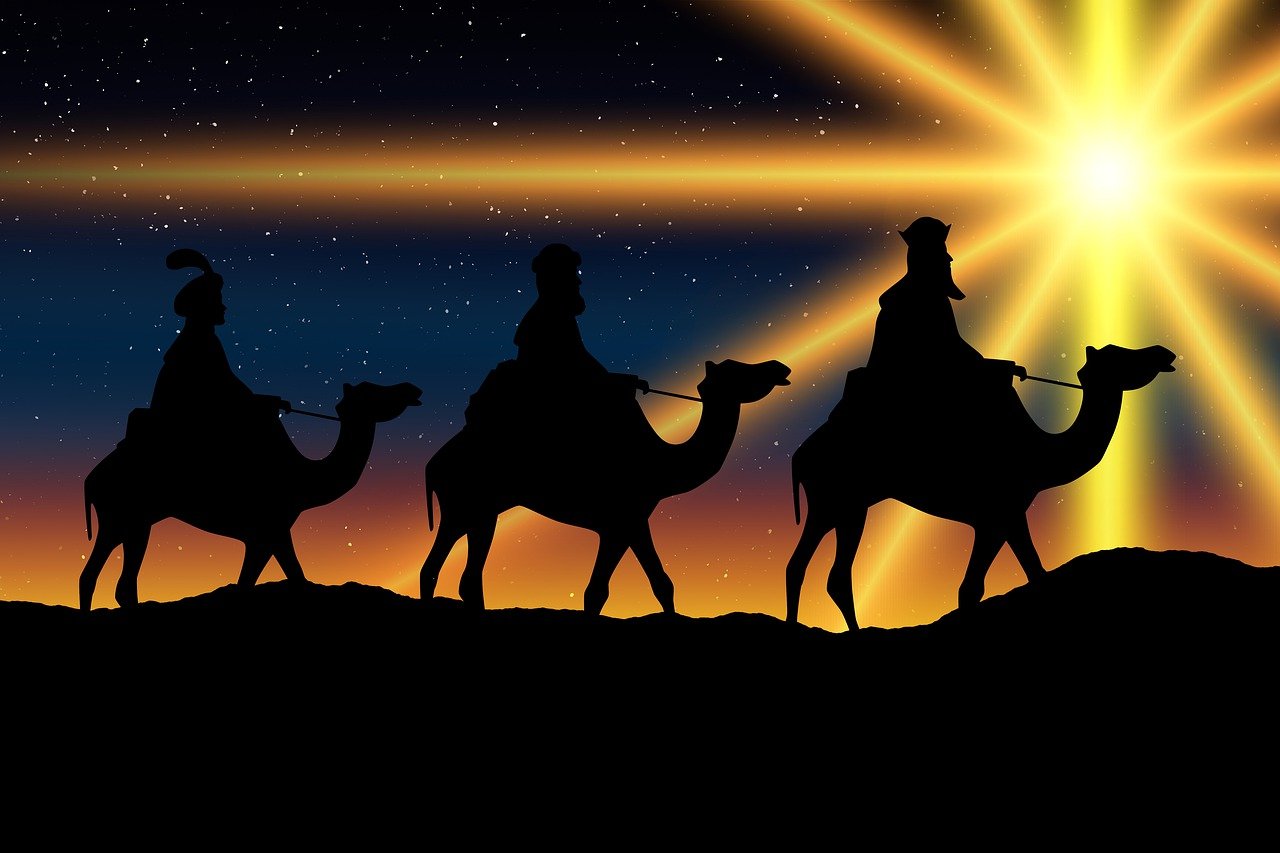
The story of Christmas extends beyond Bethlehem. Find out why the Magi represent those who seek the King wholeheartedly. The Christmas story does not conclude with shepherds returning to their fields or angels fading into the night sky. It stretches far beyond Bethlehem, reaching eastward into distant lands and searching hearts. Matthew’s Gospel invites us to follow the Magi—wise men, scholars of the heavens—who noticed a star and believed it signaled the birth of a King worth leaving everything to pursue.
These men were not Israelites. They were Gentiles, outsiders to the covenant promises of God. Yet the Lord placed a sign in the heavens they could recognize and trust. From the very beginning, Christ’s birth announced that God’s salvation was for all nations. Long after the decorations come down and familiar carols fade, the Magi remind us that Christmas continues wherever seekers still follow the light God provides.
“Wise men still seek Him, not because faith is easy, but because Christ alone is worthy of our pursuit.” — A.W. Tozer
Scripture Reading
Matthew 2:1–2, 9–11 (NIV)
After Jesus was born in Bethlehem in Judea, during the time of King Herod, Magi from the east came to Jerusalem and asked, “Where is the one who has been born king of the Jews? We saw his star when it rose and have come to worship him.”
After they had heard the king, they went on their way, and the star they had seen when it rose went ahead of them until it stopped over the place where the child was. When they saw the child with his mother Mary, and they bowed down and worshiped him. Then they opened their treasures and presented him with gifts of gold, frankincense, and myrrh.
Reflection
What compelled these Magi to leave familiar surroundings, endure long travel, and risk political danger simply to find a child they had never met? Scripture gives no hint of obligation or command—only desire. They saw a star, discerned meaning, and chose to respond. True wisdom often begins there: not with certainty, but with obedience to the light we have been given.
Their journey fulfilled ancient prophecy. Isaiah had written nearly seven centuries earlier, “Nations will come to your light, and kings to the brightness of your dawn” (Isaiah 60:3). God was already declaring that the Messiah would draw worshipers from far beyond Israel’s borders. The Magi’s presence in Bethlehem was not accidental; it was evidence that God’s redemptive plan had always included the world.
When the wise men finally reached their destination, they did not find a throne room or royal procession. They found a child in a modest home. Yet Scripture says they were “overjoyed.” Their joy was not diminished by humility; it was intensified by revelation. They bowed low, not because the surroundings impressed them, but because the Spirit confirmed who stood before them.
The Gifts
Then came the gifts. Gold acknowledged Jesus as King. Frankincense honored Him as divine, worthy of worship. Myrrh—used for burial—quietly pointed ahead to suffering and sacrifice. The Magi likely did not grasp the full meaning of what they offered, but God did. Their treasures preached the gospel long before Jesus spoke a word.
Post-Christmas days can feel like an ending—lights dimmed, routines restored. Yet the Magi remind us that seeking Christ is not seasonal. God still places “stars” before His people: a passage of Scripture that lingers, a conviction that won’t release us, a gentle nudge toward obedience. The question is not whether God is guiding, but whether we are willing to follow.
Like the Magi, we are invited to lay something down when we encounter Jesus. Worship always costs us something—time, pride, comfort, control. But what we place at His feet is never lost. The King we seek is also the Savior who receives us with grace and transforms every sincere offering into eternal worship.
Life Application
God often calls us to follow signs that require courage and trust. Like the Magi, we may be prompted to step out of comfort zones, to pursue Jesus despite uncertainty, or to cross emotional or relational distances. Their journey reminds us that discernment is only valuable when paired with action.
Consider the “stars” God has placed in your life: a passage of Scripture, an inner conviction, or a prompting to bless someone else. Acting on these signs may feel inconvenient or risky, but it is in those moments that our faith matures. Every step toward Christ, no matter how small, positions us to encounter His joy and power.
Furthermore, the Magi teach us that worship is holistic. Time, talent, treasure—these are all gifts to be surrendered in recognition of God’s worth. Reflect on what you might lay at His feet today: not because He demands it, but because He is worthy and your response will bring joy to your heart and glory to His name.
Question
What “star” is God using to lead you closer to Jesus today? What treasure—time, talent, or trust—might you lay at His feet in response to His guidance and presence?
Closing Prayer
Sovereign King, like the Magi, we confess our wandering gaze often misses Your light. Guide us by Your star through doubt and distraction to the joy of Your presence. Accept our imperfect gifts—time, talents, trust—and draw all nations to worship at Your feet. May our seeking mirror Yours: relentless, reverent, redemptive. Amen.
Closing Song
We Three Kings – traditional Christmas hymn (Closing)
Acknowledgments
We thank:
- Pixabay for free, high-quality artwork. (https://pixabay.com)
- AZ Quotes for inspirational quotations. (https://www.azquotes.com)
- YouTube Gospel Music for timeless worship songs. (https://www.youtube.com)
- We recommend GotQuestions.org for further Bible study. (https://www.gotquestions.org)
Subscribe
If you are looking for a unique gift for someone in your life, consider sharing a subscription to Devotions Done Daily. It’s free – it’s a gift that reminds all of us of God’s grace all year long!